15+ Essential Security Practices to Bulletproof Your Node.js App

Habib Qureshi
Backend Architect
7 min read
Feb 19, 2026

Security is the backbone of any backend application. A single vulnerability can expose user data, financial transactions, or business secrets, leading to data breaches, legal fines, and loss of customer trust. Hackers constantly target weak systems with SQL injection, DDoS attacks, and credential stuffing—if you’re not prioritizing security, you’re leaving the door wide open for disaster!
Development Best Practices
1️⃣ Secure Authentication & Authorization – Keep Hackers Out!
Weak authentication is the #1 way hackers steal data and take over. Always use secure authentication methods like JWT, OAuth, or session-based authentication and enforce role-based access control (RBAC) to restrict access.
- Use JWT or OAuth2 to issue secure, tamper-proof tokens.
- Implement RBAC so users only access what they need—never expose admin controls to regular users!
- Enable Multi-Factor Authentication (MFA) to block stolen credentials.
2️⃣ Encrypt Sensitive Data – Protect It Before It’s Too Late!
Storing or sending data without encryption is like leaving your house keys under the doormat—hackers will find them!
- Passwords: Always hash with bcrypt or argon2—never store plain text!
- Database: Use AES-256 to encrypt sensitive fields like SSNs and tokens.
- Data in Transit: Always use HTTPS/TLS to encrypt API requests.
- Secrets: Store secrets securely in vaults like AWS Secrets Manager.
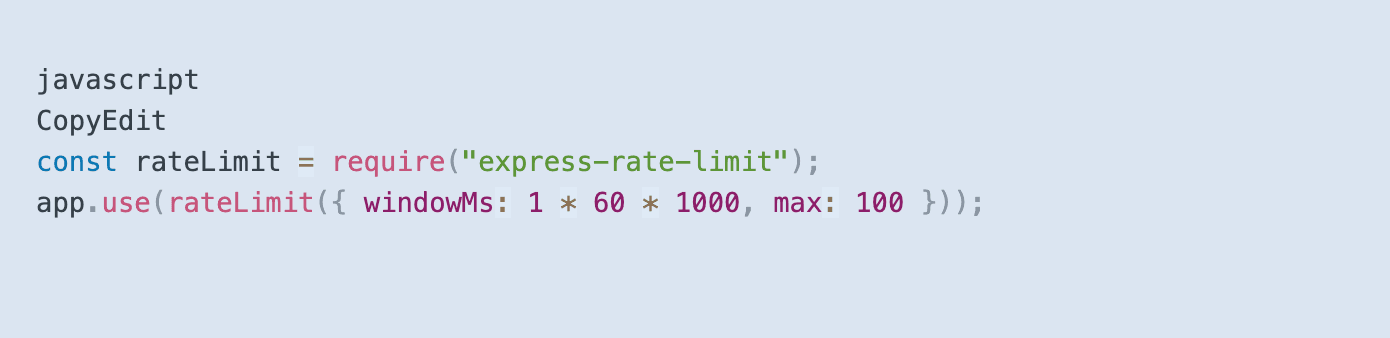
3️⃣ Limit User Requests (DDoS Protection)
Attackers can flood your server with requests. Use rate limiting to block abusive traffic.
4️⃣ Never Log Sensitive Data
Logs are helpful, but storing tokens or API keys in them is a massive risk. Mask or exclude sensitive info. ❌ `console.log("Token:", userToken);` ✅ `console.log("User logged in successfully");`
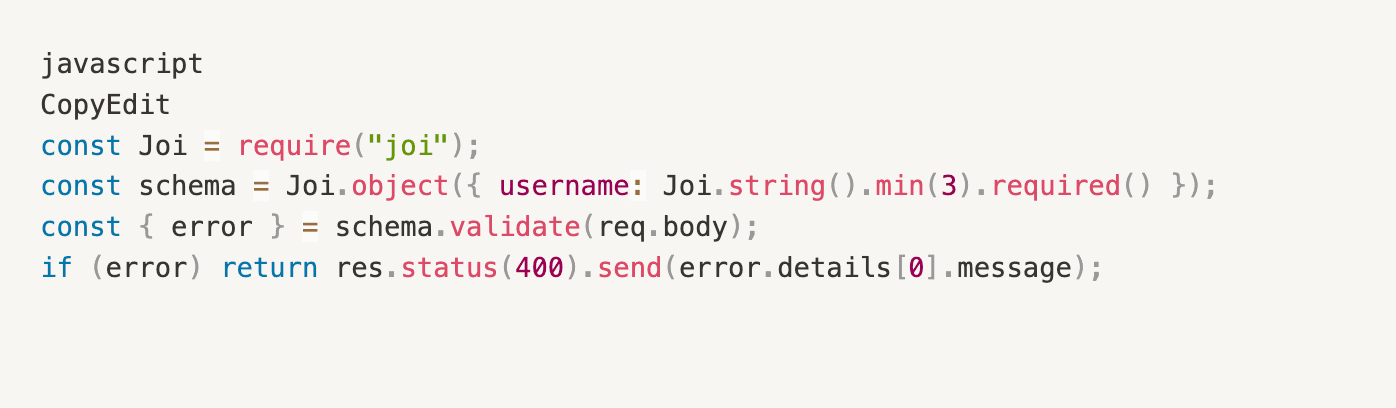
5️⃣ Always Validate User Requests
A hacker can send malicious input to break your app. Validate all inputs before processing using tools like Joi or Zod.
6️⃣ Use Only Trusted NPM Packages
Use `npm audit` to check for security risks before deployment. Verify packages to avoid malicious code.
7️⃣ Keep Dependencies Updated
Outdated packages often have vulnerabilities. Run `npm outdated` and update frequently to get security patches.
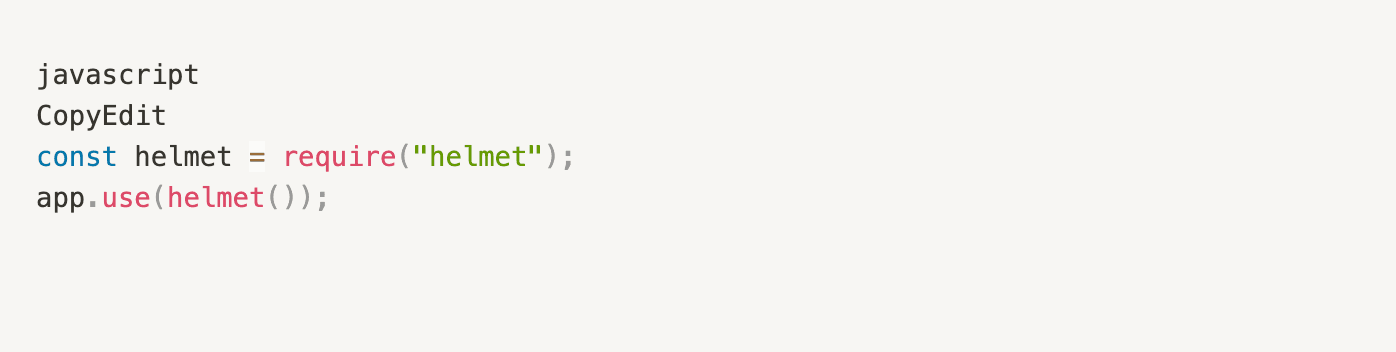
8️⃣ Use Helmet to Set Security Headers
Helmet helps protect your app from some well-known web vulnerabilities by setting HTTP headers appropriately.
9️⃣ Restrict CORS to Trusted Domains
Allowing requests from anywhere (`*`) can expose your API. Set a strict CORS policy.
🔟 Never Store Sensitive Data in .env Files
Environment variables are better than hardcoding, but for high-security, use Cloud Secret Managers.
1️⃣1️⃣ Handle Errors Properly
Detailed error messages can leak database queries or stack traces to attackers. Always show generic errors to the client.
Deployment Best Practices
- Never run as Root: If your app is hacked, the attacker controls the server.
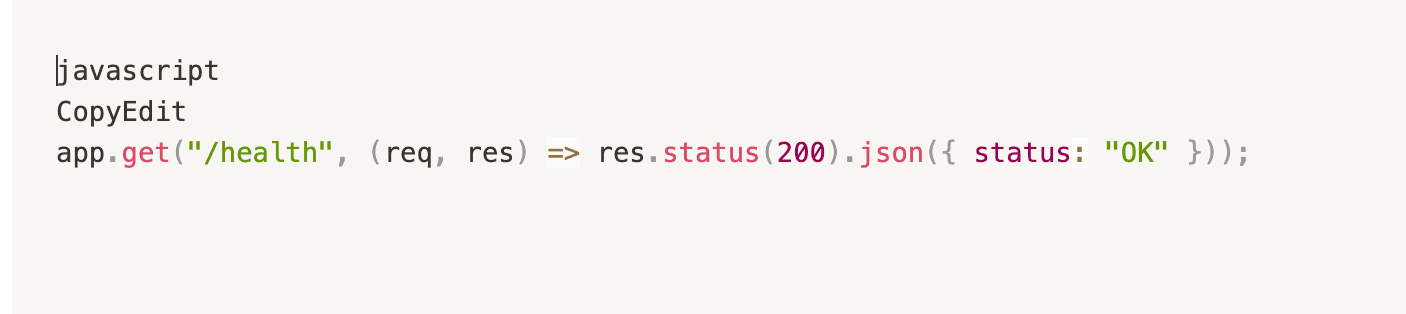
- Use /health API: Monitor status to ensure your app is responding correctly.
- Use PM2: For process management and automatic restarts.
- Dockerize: For consistent, portable, and isolated environments.
- Nginx: For load balancing, SSL termination, and proxying.
Security is not a one-time task—it’s a continuous effort. Protect your users and business today. 👉 and review your app's security architecture!
— Habib Qureshi


